Dry Bulk Brokers
Dry bulk brokers who find the ship, negotiate the freight, and settle demurrage after discharge. We handle every dry bulk cargo, from mini-bulker to Capesize.
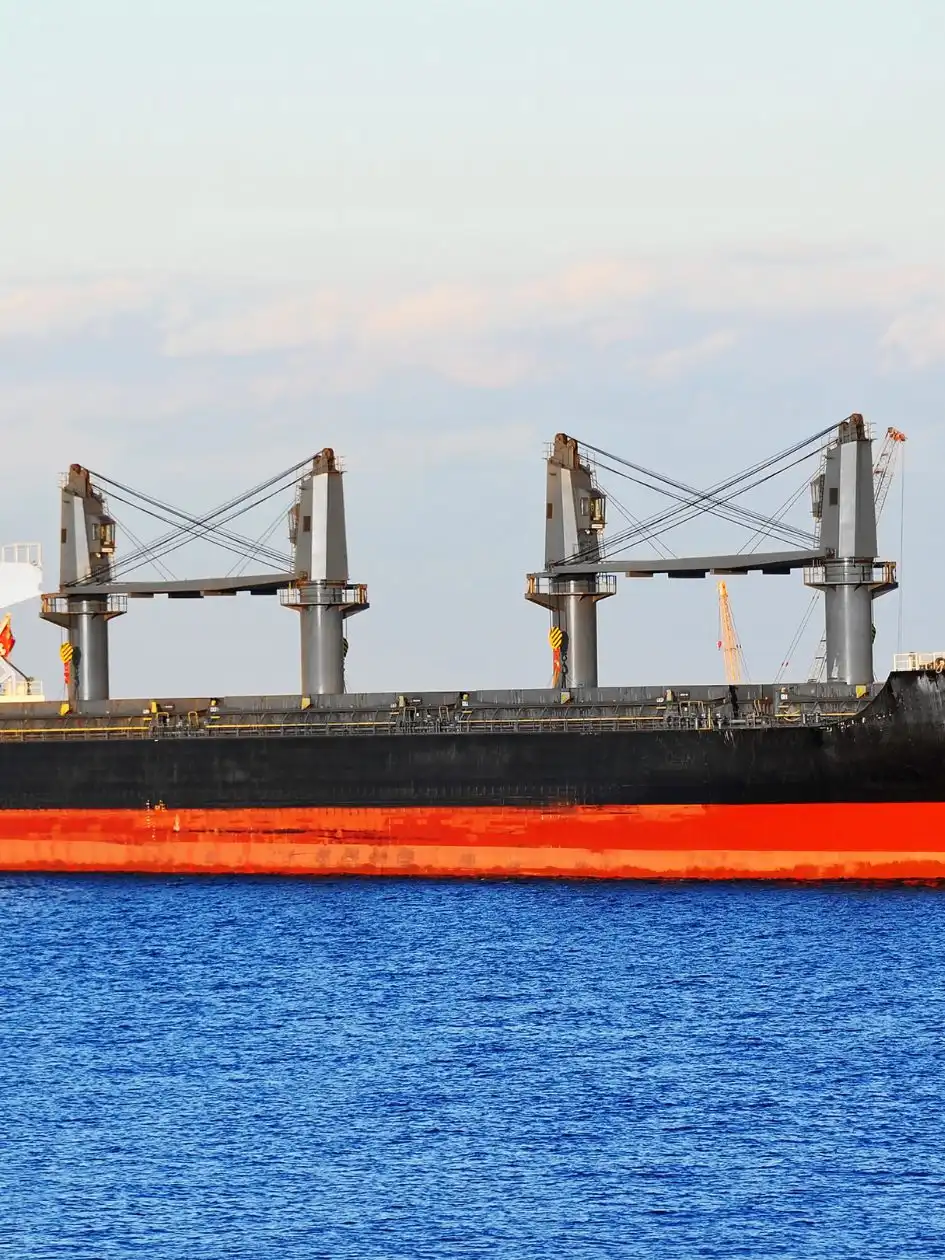
Bulkargo’s dry bulk brokers find the ship, negotiate the freight, and settle demurrage after the voyage, on cargoes from mini-bulker to Capesize. One broker handles your fixture, the signed charter deal, from the first inquiry to the final settlement.
What our dry bulk brokers do
We find ships that suit your cargo. We negotiate the freight and the other commercial terms. We check the charter party, your contract with the ship owner, before you sign. Since 2022 we have fixed cement, quicklime, bitumen, and mining ores and earths, along with the major and minor bulk cargoes.
The same broker stays with you after the fixture is signed. We handle the vessel nomination, the notice of readiness, the hold cleanliness inspection and the statement of facts review. We calculate laytime and demurrage once the cargo is discharged. No separate operations desk takes over between the negotiation and the settlement.
| What you get | Through a broker | Going to owners yourself |
|---|---|---|
| Market coverage | One inquiry reaches the owners and operators who work your ship size | You reach only the owners and operators you already know |
| Price check | We check the freight against recent similar fixtures before you commit | You have no independent guide to what the market is paying |
| Charter party terms | We review and negotiate the charter party and rider clauses for you | You accept the clauses as offered, or negotiate with nothing to compare against |
| Claims support | The same broker calculates demurrage and handles disputes through to settlement, with P&I clubs and lawyers where needed | You settle any dispute directly with the owner |
How a dry bulk fixture runs
Every fixture follows the same steps, whatever the cargo or ship size. We watch the market the whole time. We track the Baltic Dry Index and the index for each ship size: BCI for Capesize, BPI for Panamax, BSI for Supramax and Ultramax, and BHSI for Handysize. It tells us whether you should fix now or wait for the next session.
- 01
Cargo assessment
We look at the stowage factor (how much space a tonne of your cargo takes up), the hold cleanliness it needs, the handling gear, and draft limits at the load and discharge ports.
- You provide
- Cargo type, tonnage, ports, laycan
- We handle
- Stowage and handling review
- 02
Vessel selection
24 to 72 hrsWe ask our owner and operator network for ships that fit your cargo and laycan.
- We handle
- Market canvass, vessel shortlist
- 03
Market timing
We check the BDI and size indices daily against the shortlist and tell you whether to fix now or wait.
- We handle
- Index check, fix-or-wait advice
- 04
Rate negotiation
We negotiate the freight together with laytime, demurrage, dispatch, the loading and discharge rates, and any clauses your cargo needs.
- We handle
- Compare with recent fixtures, negotiate all the terms
- 05
Fixture and charter party
Both sides agree a recap, a written summary of the deal. Then we draw up the charter party on Gencon or a form made for your trade. We check every clause before you sign.
- We handle
- Recap, charter party review, signing
- 06
Pre-loading and post-fixture
Before loading we handle the vessel nomination, the notice of readiness (NOR), the port agent appointment and the hold inspection. After discharge we settle demurrage and finish the paperwork.
- We handle
- Operations contact, settlement, support after the fixture
What it costs
You pay for a voyage charter by the tonne of cargo, and for a time charter by the day. In a normal market, a Capesize voyage costs a few dollars a tonne on a short run and USD 25 a tonne or more to carry iron ore from Brazil to China. A Panamax on time charter usually costs USD 12,000 to USD 30,000 a day. Handysize and Supramax ships cost less, and a Capesize can cost a lot more when the market is busy.
Try our bulk shipping rate calculator for a rough freight number before you send an inquiry.
What we need from you to start
To start, we need the cargo type and rough tonnage, the load and discharge ports, and the laycan. The laycan is the date window when the ship must arrive to load. A window of 7 to 14 days is normal. Send the stowage factor too if your cargo is unusual. Then we ask about your preferred charter type, hold cleanliness or gear needs, draft or ship age limits, and your budget if you have one.
For a regular programme, add your yearly or seasonal volume forecast, the port pairs, and any COA terms you already have. Once we have the cargo, ports and laycan, we handle the rest. That covers the charter party draft and review, the fixture recap, bill of lading instructions, the statement of facts review, and the certificates your trade requires: the certificate of origin, phytosanitary or quality certificates, the DG declaration for IMDG cargo, and sanctions and compliance statements.
Cargoes we handle
We cover major bulks, minor bulks, industrial cargo and specialty cargo. A dry cargo shipbroker who works only one of these groups sees less of the market than a desk that covers all four.
| Cargo Category | Examples | Typical Vessel | Charter Type |
|---|---|---|---|
| Major bulks | Iron ore, coal, grain | Capesize, Panamax | Voyage, COA |
| Minor bulks | Cement, fertilizer, sugar, salt | Supramax, Handymax | Voyage |
| Industrial | Steel, scrap metal, aggregates | Handysize, Supramax | Voyage |
| Specialty | Bauxite, alumina, pet coke, wood pellets, manganese, chromite, sulphur | Supramax, Handymax | Voyage, COA |
From mini-bulker to VLOC, on the right charter party
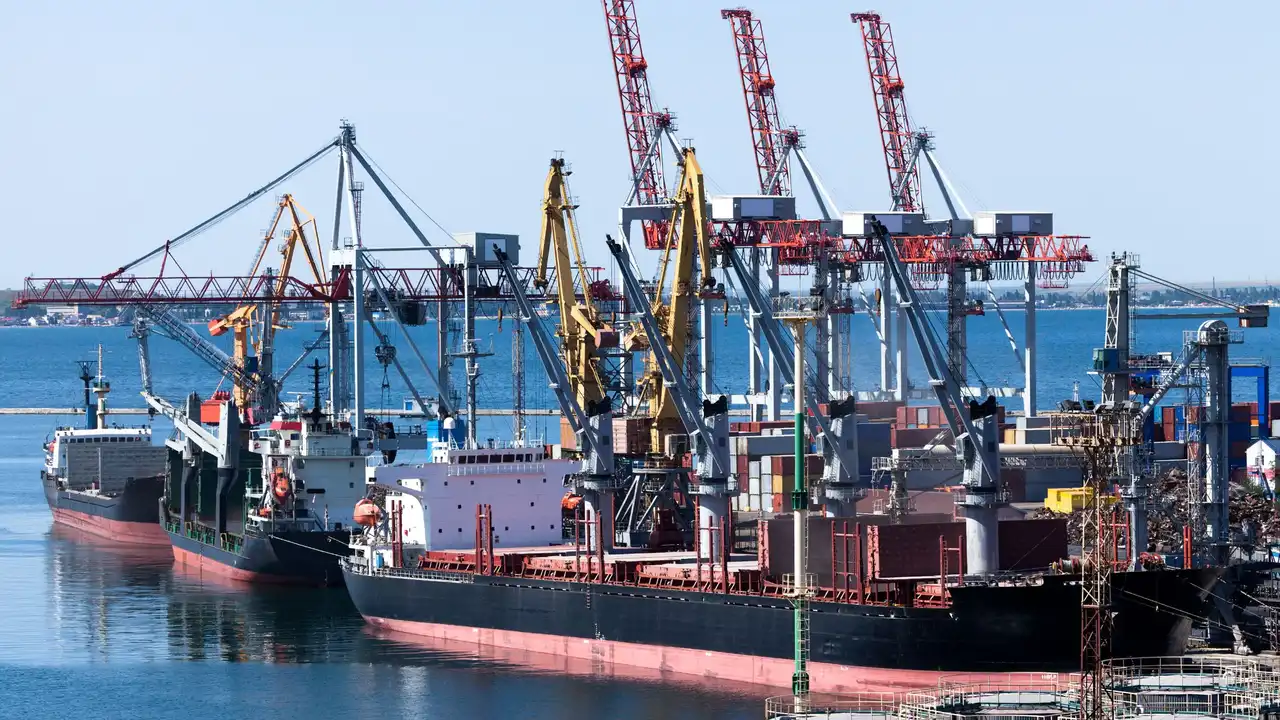
As a dry bulk chartering company, we can reach every ship size: mini-bulker (roughly 3,000 to 10,000 DWT), Handysize (roughly 25,000 to 40,000 DWT), Handymax (roughly 45,000 to 55,000 DWT), Supramax and Ultramax (roughly 58,000 to 63,000 DWT), Panamax and Kamsarmax (roughly 75,000 to 82,000 DWT), and Capesize (roughly 180,000 DWT). For iron ore programmes we also reach VLOCs (320,000 DWT and above) through owners we know on the long-haul routes.
The charter party form depends on the trade. Gencon is the general-purpose form for most bulk voyage charters. NIPPONCOAL covers coal into Japan and the wider Pacific. AMWELSH covers US coal exports, SYNACOMEX covers grain, and FERTIVOY covers fertilizer. We also work from a shipper’s or charterer’s own pro-forma where the trade calls for it. The charter type depends on how your cargo moves. A voyage charter suits a single cargo. A time charter suits a rolling programme. A contract of affreightment suits a yearly volume commitment. Consecutive voyages suit a repeating route on the same ship.
Why work with an independent dry bulk broker
We are an independent broker. We own no ships, so we recommend the ship that fits your cargo.
We run a full-service desk. The broker who takes your inquiry also calculates the demurrage at the end.
We work seven days a week. Short-notice deals, tight laycans and weather delays do not keep office hours. We answer on a Sunday just as we do on a Tuesday.
Frequently asked questions
How much does a dry bulk broker cost?
How long does it take to fix a dry bulk voyage charter?
What's the minimum cargo size for a dry bulk fixture?
Do I need a broker, or can I go direct to an owner?
What charter party form does a dry bulk broker use?
Can a dry bulk broker run a recurring programme?
Related references
Charter modalities
Ready to fix?
Tell us about your cargo. A broker will respond within one business day with an initial market read and next steps.
Cargoes we have fixed since 2022
- Cement
- Quicklime
- Bitumen
- Project cargo
- Machinery
- Mining ores and earths